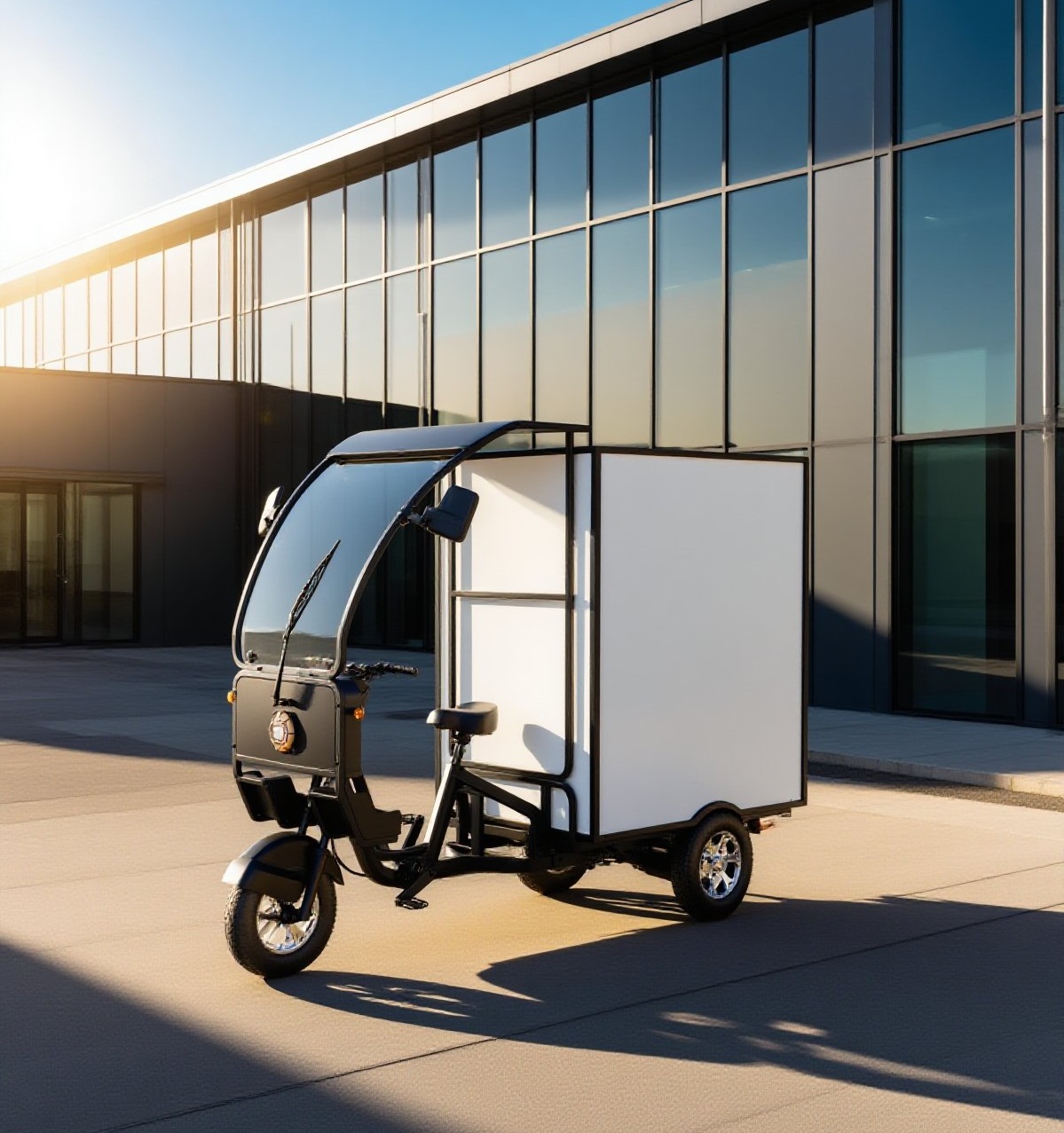
The Rising Importance of Sustainable Last-Mile Solutions
Urban centers around the world are grappling with unprecedented challenges in the logistics sector. As e-commerce booms and consumers demand faster, more frequent deliveries, the limitations of traditional delivery vehicles—especially in congested or restricted zones—have become increasingly evident. In response, many companies are shifting focus to sustainable, agile, and cost-effective alternatives.
Among the leading innovations is the cargo bike, which has rapidly become a cornerstone of urban logistics. Its ability to navigate traffic, reduce carbon emissions, and operate in low-emission zones makes it an essential tool for modern last-mile delivery. The market’s attention is now turning toward technological enhancements that further improve these advantages—particularly chainless hybrid powertrain systems.
Chainless Hybrid Powertrains: A Smarter Urban Mobility Strategy
A major development in cargo bike evolution is the adoption of chainless hybrid propulsion systems. These systems are becoming increasingly attractive for urban delivery operations that demand reliability, efficiency, and minimal maintenance disruptions. Without going into proprietary specifications, this innovative drive concept offers several theoretical advantages, particularly in meeting the operational needs of diverse delivery scenarios.
By rethinking traditional mechanical drive models, chainless systems are aligned with industry trends toward electrification, automation, and smarter energy use. These innovations open the door to cleaner and more scalable fleet strategies—especially when paired with chassis options suitable for different types of delivery environments.
For companies looking to stay competitive, chainless hybrid systems represent a significant step toward future-proofing their logistics models. For more information on how these systems can be integrated into your delivery infrastructure, please contact us for a tailored consultation.
Adapting to Multiple Scenarios: From Light Parcels to Heavy Urban Loads
As last-mile delivery continues to diversify, so does the need for adaptable mobility platforms. The success of any urban logistics solution increasingly depends on its flexibility—both in terms of cargo capacity and navigability. Depending on the delivery scenario, businesses may require different chassis types that can support varied payloads, street conditions, or customer schedules.
Rather than outlining specific configurations, we encourage logistics providers and fleet managers to explore customizable cargo mobility solutions that match their operational needs. Luxmea provides urban delivery partners with a flexible framework that supports business-specific deployments across different delivery scenarios.
If you’re seeking cargo bike business solutions that respond to your unique application requirements, our team can help you determine the most effective path forward. To explore the right fit for your fleet, please contact us for expert guidance.
Last-Mile Delivery and the Push for Urban Efficiency
The future of delivery is undeniably urban—and increasingly regulated. With growing pressure to meet zero-emission targets and improve urban quality of life, cities are incentivizing or mandating alternative delivery methods. This shift is placing last-mile efficiency at the center of urban transport strategies.
Cargo bikes powered by modern drivetrain systems offer a credible response to these challenges. They are compatible with traffic-calmed zones, pedestrian areas, and emerging smart city infrastructures. While specific system capabilities depend on individual project requirements, the broader value proposition lies in their ability to reduce traffic congestion and environmental impact without sacrificing operational speed.
At www.luxmea.com, we are focused on helping delivery businesses navigate these changes with intelligent, future-ready mobility options.
Why Businesses Are Exploring New Delivery Models
Global logistics is no longer only about cost and speed—it’s now deeply intertwined with sustainability, digital integration, and adaptability. Forward-thinking companies are prioritizing mobility platforms that can evolve alongside city policies, consumer behavior, and energy trends.
Cargo bikes with advanced drivetrain options are becoming an integral part of this new equation. However, each business has distinct needs—based on geography, fleet size, cargo type, and delivery frequency. That’s why personalized consultation is essential when considering a transition to new delivery technologies.
Luxmea offers support for companies looking to explore modern alternatives to conventional delivery vehicles. We help clients discover which solutions align best with their growth and sustainability objectives. To start the conversation, please visit our website and contact us today.
Ready to transform your delivery operations with a modern, sustainable approach? Learn more about how Luxmea can help your business meet the demands of today’s logistics challenges by visiting our official site: www.luxmea.com.
Have specific questions? Our team is here to help—reach out via our dedicated contact page to start your customized consultation.
In the future, we will continue to uphold the brand concept of "high-end quality、green travel and enjoy life", continue to innovate and forge ahead, and provide the global with higher quality cargo bike products and services.