Introduction
Imagine breezing through traffic with ease, carrying groceries or kids effortlessly. That's the magic of a two-wheeled cargo bike. Choosing the right one for commuting is crucial. It impacts ease of use, safety, and efficiency. In this post, you'll learn about the benefits of a light and convenient two-wheeled cargo bike, ensuring a seamless ride every day.
Understanding Two-Wheeled Cargo Bikes
Types of Two-Wheeled Cargo Bikes
Two-wheeled cargo bikes come in several styles, each designed for different needs:
Longtail Cargo Bikes: These have an extended rear frame for carrying heavy loads or passengers. They handle like regular bikes but can be tricky to balance when stationary or at low speeds.
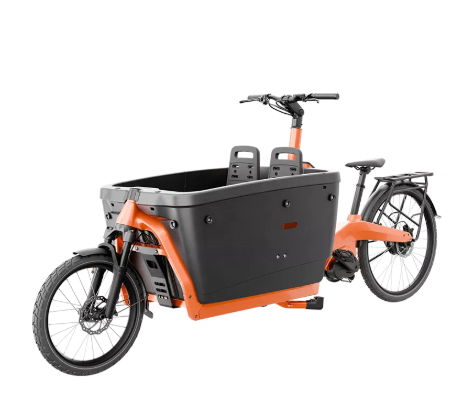
Front-Loading Cargo Bikes: These feature a cargo box or platform in front of the handlebars. They offer better stability due to a low center of gravity and let riders keep an eye on their load, ideal for kids or bulky items.
Compact Utility Bikes: Smaller than traditional cargo bikes, these are easier to maneuver and park but carry less cargo.
Choosing the right type depends on your cargo, riding environment, and comfort with bike handling.
Key Features to Consider
When selecting a two-wheeled cargo bike, focus on these features:
Frame Material: Lightweight materials like aluminum or carbon fiber improve portability, while steel offers durability.
Cargo Capacity: Check the maximum load weight and volume. Make sure it suits your typical cargo.
Balance and Stability: A low center of gravity and wide tires enhance stability, especially when carrying heavy loads.
Braking System: Hydraulic disc brakes provide reliable stopping power under load and in wet conditions.
Gearing: Multiple gears help tackle hills and varying terrain, especially with heavy cargo.
Accessories Compatibility: Look for racks, baskets, and child seats that can be added or adjusted.
Factors to Consider When Choosing a Cargo Bike
Weight and Portability
When picking a cargo bike, weight plays a big role. Lighter bikes are easier to handle, especially if you need to carry them upstairs or load them into a vehicle. Aluminum frames usually weigh less than steel but may cost more. Carbon fiber offers the lightest option but tends to be pricey. Portability also means how compact the bike is when parked or stored. Some cargo bikes fold or have removable parts to save space, which is handy for urban commuters with limited storage.
Cargo Capacity and Load Distribution
Think about what you plan to carry daily. Cargo capacity includes both weight limits and space. Overloading a bike can make it hard to control or damage the frame. It’s important to balance your load properly. Bikes with front-loading boxes keep the weight centered and low, improving handling. Longtail bikes spread the load toward the back, which may feel different when riding. Check the manufacturer’s recommended maximum load and compare it to your needs.
Stability and Balance
Stability is key for safe riding, especially when loaded. A low center of gravity helps keep the bike steady. Wide tires add grip and absorb bumps, making rides smoother. Some cargo bikes come with built-in kickstands or supports to keep them upright when parked and loaded. The frame geometry also affects balance; bikes designed specifically for cargo tend to have reinforced frames and wider wheelbases. If you’re new to cargo bikes, test riding different styles can help you find the most stable option.
Electric vs Non-Electric Cargo Bikes
Pros and Cons of Electric Cargo Bikes
Electric cargo bikes come with a motor and battery, giving a helpful boost when pedaling. This makes hauling heavy loads or climbing hills easier. They let you travel longer distances without tiring quickly, perfect for daily commuting or errands. Plus, many models offer smart tech features like app connectivity or automatic kickstands.
However, electric bikes cost more upfront and need battery charging and maintenance. Batteries degrade over time, requiring replacement after a few years. They also weigh more, which can make handling tricky if the battery runs out. Repairs may be more complex and costly due to electronics.
Pros and Cons of Non-Electric Cargo Bikes
Non-electric cargo bikes rely solely on your pedaling power. They are simpler, lighter, and cheaper to buy and maintain. Without batteries or motors, they need less upkeep and last longer with fewer mechanical issues. Their straightforward design often means easier repairs and lower costs.
On the downside, carrying heavy cargo or riding uphill demands more physical effort. Long commutes or hilly routes might be exhausting. They may limit your speed and range, especially when fully loaded. For some riders, this can reduce daily usability or convenience.
Which Option is Best for Your Needs?
Choosing between electric and non-electric depends on your commute, cargo, and fitness level. If your route includes hills, long distances, or heavy loads, electric bikes provide valuable assistance. They make daily rides easier and quicker, reducing fatigue.If your trips are short, flat, and you prefer a lower-cost, low-maintenance option, a non-electric cargo bike might suit you better. It offers simplicity and exercise benefits without the extra weight or expense.Test riding both types helps you feel the difference. Consider battery range, motor power, and charging needs for electric models. For non-electric, focus on frame strength, gearing, and comfort.
Essential Features for Commuting
Motor Power and Battery Life
For commuting, motor power matters a lot. A strong motor helps you climb hills and carry heavy cargo without breaking a sweat. Look for motors offering smooth, consistent assistance rather than sudden bursts. Torque around 50-70 Nm is usually enough for most urban rides.Battery life is just as important. You want a battery that lasts for your entire commute plus some extra for errands. Most quality cargo e-bikes offer 400-700 Wh batteries, which can provide 30 to 60 miles per charge, depending on load and terrain. Some models even support dual batteries for extended range.Keep in mind that battery performance declines over time, so check the warranty and replacement costs. Also, consider how easy it is to remove and charge the battery at work or home.
Ease of Handling and Maneuverability
Two-wheeled cargo bikes can be longer and heavier than regular bikes, so ease of handling is crucial. A low center of gravity improves balance, especially when loaded. Bikes with wide tires and stable geometry help absorb bumps and provide better grip.Look for bikes with responsive steering and good weight distribution. Some front-loading cargo bikes place the cargo box low and centered, making them easier to control. Longtail bikes may feel different because the weight is towards the rear, so test ride to see what suits you best.Electric assist also helps with maneuverability by reducing the effort needed to start, stop, and turn, especially in traffic or at low speeds.
Safety Features and Accessories
Safety should never be overlooked. Cargo bikes often carry children or valuable goods, so features like powerful hydraulic disc brakes ensure reliable stopping power in all weather.Reflective elements and integrated lighting (headlights, taillights, turn signals) increase visibility during early mornings or nights. Some advanced models include rearview cameras and radar sensors to alert riders about vehicles approaching from behind.Accessories like sturdy kickstands keep the bike stable when loading or unloading. Child seats, passenger handrails, and weatherproof covers add comfort and security for family rides.Other useful add-ons include panniers, baskets, and cargo nets to organize your load safely.
Cost and Budget Considerations
Price Range for Two-Wheeled Cargo Bikes
Two-wheeled cargo bikes come in a wide price range depending on features, materials, and brand prestige. Entry-level models typically start around $1,000 to $2,000, often non-electric with steel frames. Mid-range bikes, including many electric options, usually fall between $2,500 and $5,000. Premium cargo bikes with advanced electric motors, high-capacity batteries, and lightweight materials like carbon fiber can exceed $6,000 or more.Electric cargo bikes generally cost more upfront due to their motor and battery systems. For example, a popular front-loading electric cargo bike might cost about $4,000, whereas a comparable non-electric model could be $2,000. Keep in mind, prices reflect build quality, motor power, battery capacity, and included accessories.
Long-Term Savings and Investment
Though cargo bikes can seem costly initially, they often save money over time. Compared to cars, cargo bikes require less maintenance, no fuel, and no insurance. Using a cargo bike for daily commuting or deliveries reduces expenses like parking fees and public transit fares.Electric cargo bikes, despite higher purchase and battery replacement costs, can extend your commuting range and reduce physical strain, making them a practical investment for many riders. Additionally, choosing a durable, well-built cargo bike means fewer repairs and longer service life, improving overall value.Consider the environmental benefits too. Reduced carbon emissions and less traffic congestion contribute to societal savings, which align with corporate sustainability goals if used in business.
Buying New vs. Used Cargo Bikes
Buying new offers the latest technology, warranties, and tailored customization options. New cargo bikes come with fresh batteries, reliable components, and customer support. However, they come at a premium price.Used cargo bikes provide a budget-friendly alternative, often available at 30% to 60% off new prices. When buying used, inspect battery health, frame condition, brakes, and tires carefully. Batteries degrade with age and use, so a worn battery might need replacement soon, adding to costs.Some companies offer professionally refurbished cargo bikes that have been checked, repaired, and come with limited warranties. This option balances cost savings and reliability.Test riding used bikes before purchase helps ensure comfort and handling meet your expectations. Also, consider availability of spare parts and service options for older models.
Conclusion
Choosing the best two-wheeled cargo bike involves understanding the types, features, and electric vs. non-electric options. Consider weight, cargo capacity, and stability for your commuting needs. Test rides help you find the right fit. LUXMEA, a leader in sustainable e-mobility, offers a range of innovative cargo bikes that combine advanced engineering with eco-friendly solutions. Known for their durable, high-quality designs, LUXMEA’s bikes provide an efficient and green way to commute while reducing your carbon footprint.
FAQ
Q: What is a Light and Convenient Two-Wheeled Cargo Bike?
A: A Light and Convenient Two-Wheeled Cargo Bike is designed for easy handling and efficient cargo transport, featuring a lightweight frame and compact design ideal for urban commuting.
Q: How do I choose the best Light and Convenient Two-Wheeled Cargo Bike for commuting?
A: Consider factors like frame material, cargo capacity, balance, stability, and compatibility with accessories to select the best Light and Convenient Two-Wheeled Cargo Bike for your needs.
Q: Why are Light and Convenient Two-Wheeled Cargo Bikes popular for commuting?
A: They offer a practical, eco-friendly alternative to cars, with easy maneuverability and sufficient cargo space for daily errands and commuting.


