As cargo bikes continue to reshape urban logistics and last-mile delivery, one technical decision stands out as especially critical: motor choice. The debate between mid-drive vs hub motor cargo bikes isn't just about engineering preference—it directly impacts efficiency, durability, and operating cost.
For fleet managers, delivery companies, and even families using cargo e-bikes, understanding this distinction is key to maximizing value.
Understanding the Basics
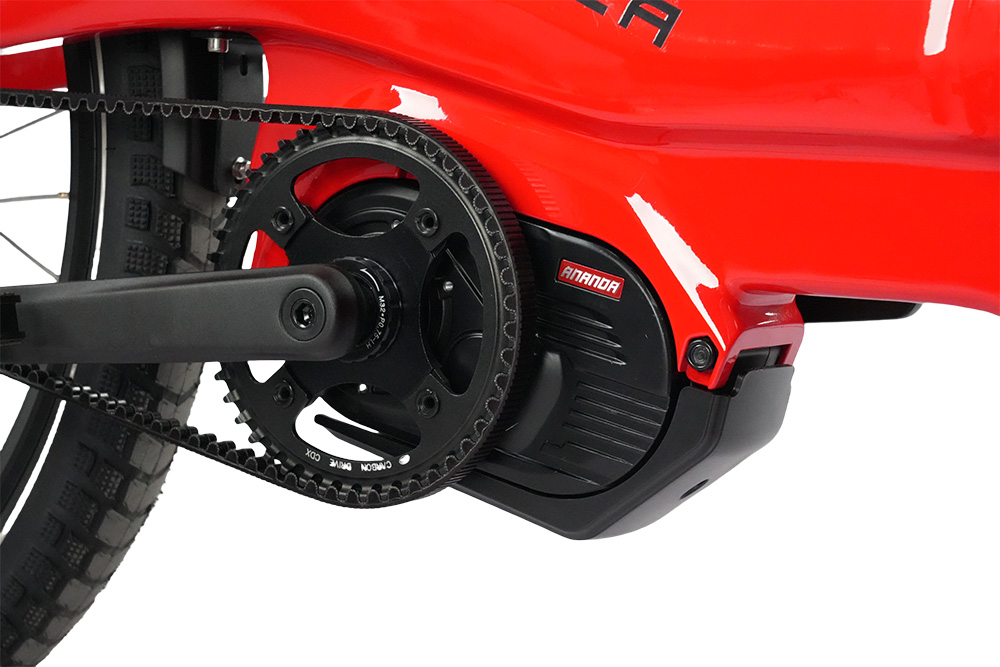
A mid-drive motor is positioned at the bike's crank, directly powering the drivetrain. In contrast, a hub motor is integrated into either the front or rear wheel hub, driving the wheel independently.
At a glance, both systems achieve the same goal—electric assistance—but how they deliver power is fundamentally different.
Power and Torque: The Load Factor
Cargo bikes are built for weight. Whether transporting goods or passengers, torque becomes the defining metric.
Mid-drive motors excel in torque delivery because they leverage the bike's gearing system. This means riders can downshift when climbing hills or carrying heavy loads, allowing the motor to operate efficiently across varying terrains.
Hub motors, on the other hand, deliver power directly to the wheel. While this creates a smooth and consistent ride on flat surfaces, they struggle under heavy loads or steep inclines due to the lack of gear integration.
Insight: For urban environments with hills or frequent stop-and-go traffic, mid-drive systems offer a clear advantage.
Efficiency and Battery Performance
Battery efficiency is a major cost driver, especially for commercial fleets.
Mid-drive cargo bikes tend to be more energy-efficient because they optimize power output through gear ratios. This translates into longer range per charge—an important factor for delivery operations.
Hub motors are less efficient under load because they operate at a fixed gear ratio. When pushed beyond optimal conditions, such as climbing hills with cargo, they consume more energy.
Market Insight: Companies focused on reducing operational costs are increasingly shifting toward mid-drive systems despite higher upfront costs.
Maintenance and Durability
This is where the equation becomes more nuanced.
Mid-drive motors place additional strain on the drivetrain components—chains, cassettes, and derailleurs wear out faster due to increased torque passing through them. This leads to higher maintenance frequency.
Hub motors, in contrast, operate independently of the drivetrain. This reduces wear on mechanical components, making them attractive for users prioritizing low maintenance.
However, if a hub motor fails, repairs can be more complex and costly compared to servicing a mid-drive system.
Key Trade-off:
Mid-drive: Higher maintenance frequency, easier servicing
Hub motor: Lower maintenance, but harder repairs
Ride Quality and Control
Ride experience is often overlooked but plays a significant role in user satisfaction.
Mid-drive motors provide a more natural riding feel since power is applied through the pedals. This results in better balance, especially when carrying uneven loads.
Hub motors can feel less intuitive, particularly front hub systems, which may affect steering. Rear hub motors perform better but still lack the dynamic responsiveness of mid-drive setups.
For cargo bikes, where stability is critical, mid-drive systems generally offer superior control.
Cost Considerations
Budget is always a deciding factor.
Hub motor cargo bikes are typically more affordable upfront. Their simpler design and lower production cost make them ideal for entry-level users or short-distance applications.
Mid-drive systems come at a premium but offer better long-term value through efficiency and performance.
Industry Trend: As battery and motor technology evolve, the price gap is narrowing, making mid-drive systems increasingly accessible.
Use Case Scenarios
To simplify the decision, consider the following use cases:
Urban Delivery Fleets: Mid-drive motors are better suited due to efficiency, torque, and adaptability.
Flat Terrain Commuting: Hub motors provide sufficient performance at a lower cost.
Heavy Load Transport: Mid-drive systems outperform due to superior torque management.
Low Maintenance Needs: Hub motors may be preferable for simplicity.
Future Outlook
The cargo bike market is evolving rapidly, driven by sustainability goals and urban mobility transformation. Motor technology is at the center of this evolution.
Mid-drive systems are gaining traction in commercial applications, while hub motors continue to dominate entry-level and consumer segments.
Looking ahead, hybrid solutions and smarter motor control systems may blur the line between the two—but for now, the choice remains highly application-specific.
Conclusion
The mid-drive vs hub motor cargo bike debate doesn’t have a one-size-fits-all answer. It’s a strategic decision based on load requirements, terrain, budget, and operational priorities.
For performance-driven use cases, mid-drive motors are the clear winner. For cost-sensitive or low-demand scenarios, hub motors still hold strong value.
Ultimately, choosing the right motor is less about technology—and more about how you plan to use it.
FAQ
1. Which motor is better for heavy cargo bikes?
A: Mid-drive motors are better for heavy cargo bikes because they provide higher torque and utilize the bike’s gears for efficient load handling.
2. Are hub motors cheaper than mid-drive motors?
A: Yes, hub motors are generally more affordable upfront, but mid-drive motors may offer better long-term value due to higher efficiency.


