As electric cargo bikes become essential tools for last-mile delivery, postal services, and urban logistics, the industry is experiencing a rapid shift from simple electric vehicles to connected, intelligent fleet machines.
Battery size, motor torque, and mechanical durability remain critical—but they are no longer the only performance drivers.
Today, the most successful operators rely on remote monitoring, predictive insights, and data-driven optimization to maintain high uptime and low operating costs.
This article explores how smart management systems are reshaping e-cargo bike fleets.
1. Why Intelligence Matters More Than Ever
Modern commercial e-cargo bikes operate in demanding real-world conditions:
In such an environment, unexpected failures, battery issues, or motor errors disrupt operations immediately.
Smart management systems solve this problem by giving operators eyes on every vehicle, no matter where it's deployed.
Core benefits of intelligent fleet oversight:
Real-time battery health visibility
Tracking of abnormal temperature or current
Predictive warnings before failure
Accurate energy consumption insights
Reduced downtime and fewer roadside breakdowns
This intelligence layer transforms an e-cargo bike from a vehicle into a managed asset.
2. Remote Monitoring: The New Backbone of Fleet Reliability
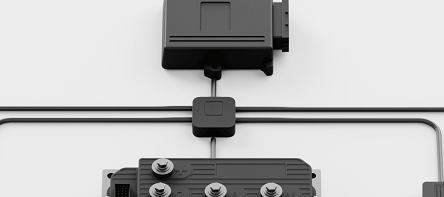
Remote monitoring relies on an IoT-enabled ecosystem that communicates with the vehicle's:
Each component feeds operational data to a central fleet dashboard.
What fleet managers can monitor remotely:
Live State of Charge (SOC)
Battery State of Health (SOH)
Temperature anomalies
Charging patterns
Overcurrent or overload events
Motor error codes
Vehicle location and usage time
For logistics companies, this brings a profound advantage:
you no longer discover problems after a failure—only before.
LUXMEA's connected platform, for instance, integrates these data points directly from its BMS and drivetrain systems, allowing operators to oversee large fleets with precision.
3. Predictive Maintenance: From Repairing to Preventing
Traditional fleet maintenance is reactive:
Smart fleets follow a different model:
the system predicts what will fail—and when.
Predictive analytics can identify:
Cells drifting out of balance
Battery capacity degradation trends
Overheating risk under load
Motor torque irregularities
Abnormal vibration patterns
Faulty chargers or misuse by riders
This allows fleet operators to:
Schedule repairs during off-hours
Avoid operational interruptions
Reduce long-term component damage
Prolong battery and motor lifespan
In heavy-duty commercial use, this can reduce maintenance costs by 20–35%.
4. Optimizing Daily Operations With Real-World Data
Fleet intelligence isn't just about safety—it's about efficiency.
Data captured from smart systems helps operators make strategic decisions:
Route & Load Optimization
Real-world Wh/km data reveals which routes consume the most energy or stress components.
Charging Strategy Optimization
Fleets can avoid deep discharge or unnecessary midday charging, reducing battery aging.
Shift & Rider Allocation
Usage data shows which riders overload bikes, misuse braking, or cause abnormal consumption.
Fleet Utilization Balancing
Identify underused or overstressed vehicles for reallocation.
These insights drive measurable improvements in:
Range predictability
Battery lifespan
Rider productivity
Total fleet uptime
Operating cost structure
With platforms like LUXMEA's IoT battery ecosystem, these optimizations can be automated and centrally managed.
5. Security and Anti-Theft: A Built-In Advantage
Smart connectivity also enhances vehicle security.
Connected e-cargo bikes enable:
This functionality is increasingly required by insurance providers and municipal fleet programs.
6. The Future: Autonomous Optimization and AI-Driven Fleet Management
Over the next few years, intelligent e-cargo bike platforms will evolve into fully automated energy and usage optimization systems, driven by AI models.
Expected next-phase capabilities include:
Autonomous SOC prediction under changing weather/terrain
Automated rider-behavior scoring
Dynamic torque and power tuning per route
Battery lifespan forecasting with high accuracy
Automated maintenance scheduling
AI-optimized delivery routing integrated with fleet data
Manufacturers like LUXMEA are already aligning their product roadmaps toward these next-generation features.
Conclusion
The future of electric cargo bikes is not defined by mechanical upgrades alone.
It is defined by how fleets are monitored, managed, and optimized in real time.
Remote monitoring and smart management systems enable:
Higher uptime
Lower operating costs
Safer battery operation
Longer component lifespan
Predictable daily performance
Better route and energy planning
For professional delivery fleets, postal services, and mobility operators, intelligence has become the most valuable component—more impactful than battery size or motor power.
As urban logistics continues to evolve, companies like LUXMEA are setting a new standard by integrating advanced IoT, BMS analytics, and predictive tools into their e-cargo bike ecosystems.
Smart fleets aren't the future—they're already here.
FAQ
1: Why do e-cargo bike fleets need remote monitoring?
A: Remote monitoring helps detect battery, motor, and system issues early, reducing downtime and improving daily operational reliability.
2: How does smart fleet management improve efficiency?
A: By analyzing real-time data on usage, charging, and routes, smart systems optimize energy consumption and extend the lifespan of key components.


