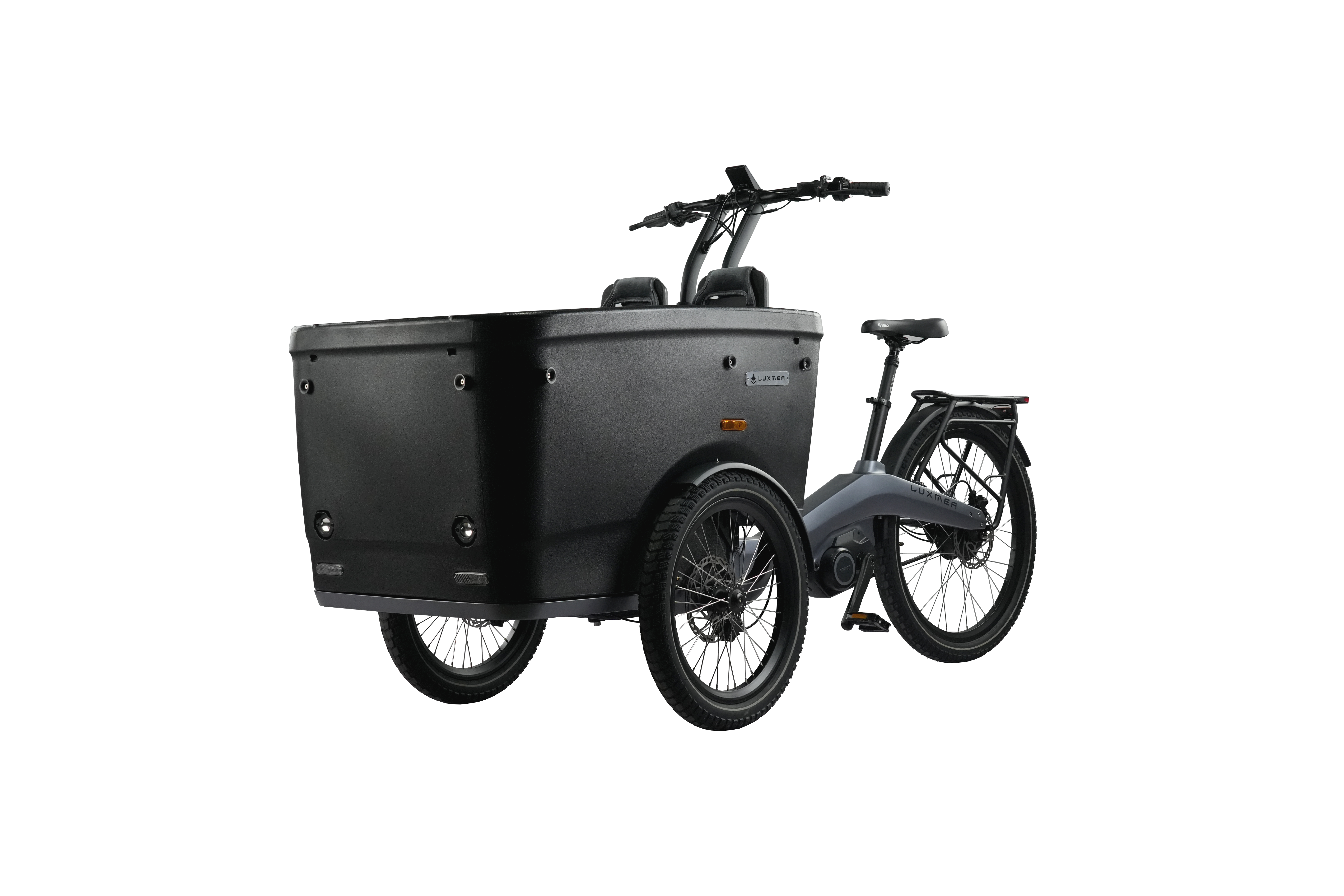
Fleet managers and urban delivery operators face a massive challenge today. You need sustainable, agile vehicles to conquer the last mile effectively. However, consumer-grade e-bikes simply crack under heavy daily pressure. When standard bikes endure high-frequency, heavy-payload use, they fail rapidly. These mechanical failures create unacceptable downtime. They also introduce serious safety liabilities for your riders. To build a robust delivery fleet, you must pivot your strategy. Stop treating these vehicles like standard recreational bicycles. Evaluating a Professional Cargo Bike requires a distinct shift in perspective. You must look past top speed and flashy aesthetics entirely. Instead, prioritize payload-specific engineering, rider ergonomics, and rugged reliability. Frame geometry, motor torque, and battery architecture directly impact daily performance. Mastering these specific elements ensures your fleet works reliably every day. In this comprehensive guide, we break down essential performance factors. You will learn how to build a fleet supporting your operators seamlessly.
Key Takeaways
Geometry Dictates Stability: Frame design and load placement (front vs. rear) fundamentally alter steering predictability and rider safety under heavy loads.
Torque Outweighs Wattage: For commercial cargo bikes, high torque ratings and heavy-duty drivetrains are critical for navigating urban inclines from a dead stop.
Uptime is the Ultimate Metric: Commercial viability depends on battery modularity, standardized maintenance parts, and minimized service intervals.
Ergonomics Equal Efficiency: Rider health, mounting accessibility, and braking reliability directly impact daily delivery volumes and lower worker compensation risks.
How Frame Geometry and Load Distribution Impact Handling
Center of gravity (CoG) determines everything in commercial cycling dynamics. Lowering this pivot point improves rider stability dramatically. Heavy payloads demand a low center of gravity. Standard bicycle frames position loads too high off the ground. This elevation creates top-heavy dynamics and dangerous steering wobbles. When a rider takes a sharp corner, high loads pull the bike outward. Conversely, step-through commercial frames keep heavy cargo much closer to the ground. This structural choice secures the load firmly. It protects the rider from sudden tipping incidents. A lower CoG makes a heavy bike feel surprisingly light.
Next, you must carefully evaluate load placement. You generally choose between front-loading and rear-loading designs. Front-loading bikes are often called Bakfiets in the industry. Rear-loading models are commonly known as Longtails. Each design approach offers distinct operational advantages for different routes. Longtails require minimal retraining. Riders mount them exactly like standard commuters. Bakfiets require a short learning curve. The steering linkage feels different initially. However, operators master the front-loading dynamics quickly. The low center of gravity makes balancing heavy items intuitive.
Design Type
Primary Advantages
Ideal Commercial Applications
Front-Load (Bakfiets)
Unobstructed visibility of cargo, ultra-low center of gravity, easy maneuvering in tight urban spaces.
Familiar bicycle handling dynamics, narrower overall profile, easily fits into dedicated city bike lanes.
Standard parcel delivery, narrow residential pathways, and transitioning new cyclists into delivery roles.
Wheelbase length also plays a critical role in handling. The wheelbase is the distance between the front and rear axles. A longer wheelbase provides exceptional stability at much higher speeds. The frame absorbs road vibrations better over a long span. However, this length compromises agility in tight spaces. A shorter wheelbase maneuvers easily through narrow city streets. It navigates cramped delivery bays and sharp alleyways effortlessly. You must balance these physical traits against your typical delivery routes. If your operators navigate tight apartment complexes, choose a shorter wheelbase. If they travel long straight avenues, a longer wheelbase proves superior.
Motor Torque and Commercial-Grade Drivetrains
Wattage often dominates consumer e-bike marketing materials. Yet, torque matters far more for a demanding commercial fleet. High torque ratings are absolutely non-negotiable for heavy transport. Delivery riders frequently start pedaling from a complete dead stop. They often do this while facing steep urban inclines. A professional rig requires at least 80Nm of torque. This rotational force helps move a 400lb payload smoothly. Attempting this using a low-torque motor causes immense strain. The motor will overheat rapidly under such heavy continuous pressure. It will eventually burn out, causing severe route delays.
You must also choose the right motor type carefully. Mid-drive motors generally outperform hub motors in commercial applications. Mid-drive systems utilize sophisticated torque sensors. These sensors measure the exact pressure applied to the pedals. They deliver proportional motor assistance seamlessly. This creates a natural, predictable riding experience. Let us explore why mid-drive systems dominate the professional industry:
Better gear utilization: Mid-drive motors leverage the bike's existing drivetrain for optimal mechanical efficiency.
Superior heat dissipation: They handle continuous heavy cargo loads without overheating on long shifts.
Hill-climbing efficiency: They deliver consistent, reliable power on steep, prolonged urban inclines.
Weight distribution: Placing the motor in the middle keeps the bike balanced perfectly.
Drivetrain durability remains a constant concern for fleet managers deploying a Commercial Cargo Bike. Standard bicycle chains and cassettes suffer accelerated wear immensely. Commercial stress stretches standard chains and grinds down gear teeth rapidly. You must mitigate these frequent and costly maintenance cycles. Consider adopting alternative drivetrain technologies for your fleet.
Internally geared hubs enclose vulnerable shifting components completely. Brands like Enviolo or Rohloff protect gears from weather and grit. You can also pair these hubs with carbon belt drives. Carbon belts, such as those from Gates, eliminate messy chain lubrication. They never rust and rarely snap under sudden load spikes. These critical upgrades reduce daily maintenance requirements significantly. They keep your operators on the road making profitable deliveries.
Battery Architecture and Fleet Scalability
Do not trust theoretical battery range on a glossy spec sheet. Real-world commercial conditions destroy claimed range estimates rapidly. Payload weight drains electrical power much faster than anticipated. Stop-and-go urban traffic demands constant, heavy motor surges. Extreme hot or cold temperatures reduce lithium-ion cell efficiency dramatically. You must plan proactively for these inevitable power reductions.
To combat severe range anxiety, implement robust dual-battery systems. These redundant setups are vital for proper fleet scalability. You must build a seamless workflow for your riders.
Install hot-swappable dual-battery configurations on every single commercial vehicle.
Ensure riders carry enough onboard power to finish full shifts.
Prevent drivers from returning to the depot prematurely for recharging.
Charging infrastructure requires careful evaluation from day one. Standardizing battery mounts across your entire fleet simplifies daily operations. Mechanics spend less time hunting for specific proprietary chargers. Evaluate charging speeds carefully to maximize daily vehicle availability. Slow chargers create unacceptable bottlenecks during shift changes. Store backup batteries in temperature-controlled environments. Extreme garage cold degrades lithium-ion chemistry rapidly. Proper storage extends the overall lifespan of your expensive power units.
Finally, prioritize strict fire compliance above all else. Look specifically for UL 2849 certification when sourcing e-bike batteries. This rigorous certification ensures ultimate safety during indoor commercial storage. It prevents thermal runaway incidents while batteries charge unattended overnight. Securing UL-certified batteries lowers your facility insurance premiums effectively.
Rider Ergonomics and Safety Compliance
Stopping power is a non-negotiable safety requirement. Consumer-grade brakes fail dangerously under commercial load stresses. You cannot rely on standard mechanical calipers for heavy transport. A fully loaded delivery vehicle possesses immense kinetic energy. Outline a strict necessity for 4-piston hydraulic disc brakes. Hydraulic fluid transfers lever force instantly and powerfully.
You also need significantly thicker brake rotors. Heavy braking generates massive friction and extreme heat buildup. Thicker rotors manage this dangerous thermal load effectively. These upgraded components prevent terrifying brake fade during steep urban descents.
Rider fatigue directly impacts your overall operational efficiency. Delivery riders mount and dismount over 50 times per shift. This repetitive physical action takes a severe bodily toll. Traditional high-step frames force riders to swing their legs awkwardly. Step-through frames reduce this repetitive strain drastically. Operators simply step straight through the frame structure easily. This design protects the rider's knees and hips over time. By prioritizing ergonomics, you lower worker compensation risks significantly.
Suspension systems protect both humans and delicate cargo. Urban environments feature potholes, curbs, and uneven cobblestones. Front suspension forks absorb harsh impacts from these typical road hazards. Suspension seat posts save the rider's spine from constant jarring forces. This mechanical compliance keeps your workforce healthy and actively employed.
Furthermore, specialized suspension protects fragile commercial goods during transit. High-frequency vibrations damage electronics, food items, and medical supplies easily. A smooth, well-dampened ride preserves your valuable cargo integrity perfectly.
Maintenance Realities and Fleet Support
Fleet reliability relies heavily on the standardization of basic consumables. Proprietary mechanical components introduce massive supply chain risks. If a custom manufactured part breaks, your vehicle sits idle. It might remain unrideable for weeks waiting on overseas shipping. You must avoid these frustrating supply chain bottlenecks aggressively.
Advise your procurement team to shortlist highly standardized models. Select bikes utilizing industry-standard brake pads and universal spokes. Choose common tire sizes like 20-inch or 26-inch profiles. Local independent mechanics can replace these standard items immediately. You do not need highly specialized technicians for routine fixes. This standardization approach guarantees excellent daily uptime for operators.
Warranty terms dictate your long-term fleet support entirely. Consumer warranties rarely apply to professional delivery fleets. Manufacturers often void standard agreements upon discovering commercial business operations. They classify high-mileage delivery as abusive wear and tear. You must verify explicit commercial coverage before finalizing contracts.
A commercial Service Level Agreement (SLA) guarantees priority technical support. It ensures the manufacturer understands your high-mileage operational realities. An SLA often promises rapid replacement parts and dedicated diagnostic help. Securing proper commercial SLA support keeps your fleet moving safely. It prevents costly legal disputes over broken equipment completely.
Conclusion
Purchasing a commercial fleet is a major operational decision. You must view these vehicles as specialized industrial equipment. They are not simple recreational bicycles modified. Success requires prioritizing robust engineering over basic aesthetic appeal. Your riders need safe, reliable tools to execute their jobs effectively.
Before committing to a massive fleet purchase, take practical action. We highly recommend conducting a localized 30-day pilot program. Procure one or two carefully shortlisted models for rigorous field testing. Instruct your buyers and operators to test the bikes thoroughly. Load them to their absolute maximum payload capacity. Route them through the steepest inclines in your specific delivery zones. Evaluate how the brakes, batteries, and drivetrains hold up under stress. This real-world data guarantees you select the perfect fleet solution.
FAQ
Q: What is the standard payload capacity for a commercial cargo bike?
A: Payload capacity typically ranges from 300 lbs to over 500 lbs. This total weight rating includes the rider. The exact limit depends heavily on the frame configuration. Heavy-duty two-wheel models handle roughly 300 to 400 lbs safely. Three-wheel trike configurations generally support larger loads exceeding 500 lbs. Always verify the manufacturer's official weight limits before loading commercial goods.
Q: How often do professional cargo bikes require maintenance?
A: High-mileage delivery conditions require frequent, proactive maintenance checks. Brake pads and tires may require monthly replacement due to friction. You should inspect hydraulic brake lines and tire pressure weekly. Drivetrain maintenance varies by the technology used. Belt drives paired with internal gears require far less frequent tensioning. Conversely, traditional metal chains require weekly lubrication and cleaning to survive.
Q: Do I need special insurance or licensing for an electric commercial cargo bike?
A: Licensing requirements vary widely by local municipal jurisdiction. Generally, class 1 and 2 e-bikes do not require a formal license. However, business operators face unique risks on the road. Commercial fleet insurance is highly recommended regardless of local laws. It provides essential liability coverage in case of pedestrian accidents. It also offers vital theft protection for your expensive assets.
In the future, we will continue to uphold the brand concept of "high-end quality、green travel and enjoy life", continue to innovate and forge ahead, and provide the global with higher quality cargo bike products and services.