Introduction
Imagine gliding through city streets with ease, carrying groceries or kids effortlessly. That's the magic of a light and convenient two-wheeled cargo bike. These bikes redefine urban transport, combining practicality with agility. In this post, you'll learn about their benefits, features, and why they're perfect for daily use.
Benefits of a Light and Convenient Two-Wheeled Cargo Bike
Enhanced Maneuverability in Urban Settings
A light and convenient two-wheeled cargo bike excels in tight city spaces. Its reduced weight makes it easier to steer around obstacles, navigate narrow lanes, and respond quickly to sudden changes. Unlike bulky three-wheeled models, it offers a more natural riding feel similar to a traditional bike. This agility helps riders weave through traffic, take sharp turns, and park in limited spaces. For example, when running errands in crowded areas or busy streets, a lighter cargo bike lets you move confidently without the bulk slowing you down.
Ease of Storage and Transport
Storage becomes a breeze with a lighter cargo bike. It’s easier to lift onto bike racks, carry up stairs, or tuck into small storage areas like apartments or garages. Its compact design means it occupies less room when not in use, which is a big plus for urban dwellers. Transporting it in a car or on public transit also feels less daunting compared to heavier, larger cargo bikes. Folding or modular cargo options further enhance portability, allowing users to adapt the bike to their storage needs.
Cost-Effectiveness Compared to Motor Vehicles
Two-wheeled cargo bikes offer an economical alternative to cars or vans, especially for short trips and local deliveries. They require no fuel, lower maintenance, and avoid parking fees or congestion charges. The initial investment is usually much less than that of a motor vehicle, and ongoing costs are minimal. For small business owners, this means reduced overheads while maintaining efficient delivery capabilities. Families save money on fuel and parking, while also benefiting from the health perks of cycling. Plus, many regions offer incentives or subsidies for eco-friendly bikes, making them even more affordable.
Key Features to Look for in a Two-Wheeled Cargo Bike
Lightweight Frame Materials
Choosing a cargo bike with a lightweight frame is crucial for daily convenience. Materials like aluminum and high-strength steel offer strength without excessive weight. Aluminum frames are popular because they resist rust and keep the bike nimble. High-strength steel, while a bit heavier, provides durability and a smooth ride. Some advanced models even use carbon fiber, which is extremely light but usually more expensive. A lighter frame means easier handling, quicker starts and stops, and less effort when lifting or storing the bike.
Efficient Motor and Battery Systems
Electric assist is a game-changer for cargo bikes, especially when carrying heavy loads. Look for bikes equipped with efficient mid-drive motors. These motors deliver power directly to the pedals, offering better balance and hill climbing ability. Hub motors, located in the wheel hubs, are simpler but may add weight to the bike’s extremities. Battery capacity matters too—batteries that provide 30 to 60 miles of range are common, depending on the load and terrain. Slim, lightweight batteries help keep the overall weight down. Features like step-assist modes allow smooth power delivery, making rides less tiring without sacrificing control.
Cargo Capacity and Design
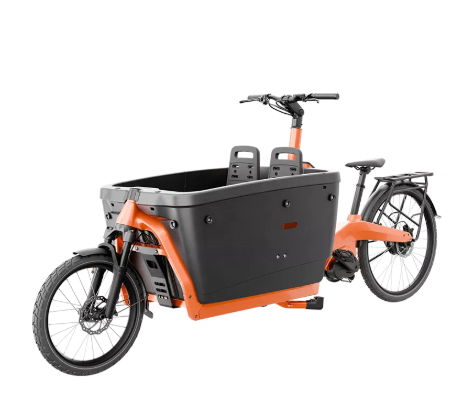
Cargo space defines a cargo bike’s usefulness. Consider the size and shape of the cargo area. Some bikes have front-loading wooden or metal boxes that secure goods safely. Others use longtail racks for attaching panniers, baskets, or child seats. The cargo area should be designed for easy loading and unloading. Look for models with modular or removable cargo boxes to adapt to different needs. Weight capacity is critical—most two-wheeled cargo bikes handle between 100 to 200 kg (220 to 440 lbs) of cargo. A low center of gravity in cargo design improves stability, especially when carrying children or pets.
How Two-Wheeled Cargo Bikes Fit into Everyday Life
Transporting Groceries and Goods
Using a two-wheeled cargo bike for groceries and daily goods makes errands easier and more enjoyable. These bikes often feature spacious cargo boxes or racks that hold bags securely. Unlike juggling multiple shopping bags or struggling with public transport, you can load everything onto the bike in one go. The electric assist on many models helps when carrying heavy loads uphill or over longer distances, reducing fatigue. Plus, the bike’s compact size lets you navigate crowded streets and tight parking spots with ease, saving time and hassle.
Family-Friendly Options for Carrying Children
Two-wheeled cargo bikes offer great solutions for families. Many come equipped with child seats or platforms designed to carry one or two kids safely. These seats often include harnesses and padding for comfort and security. The bike’s stable frame and low center of gravity provide balance, even when loaded with little passengers. Some models feature weather covers or canopies to protect children from sun or rain. This setup encourages outdoor activity and reduces car trips for school runs, playdates, or errands, promoting a healthier lifestyle for parents and kids alike.
Pet-Friendly Travel Solutions
Pet owners find two-wheeled cargo bikes a convenient way to bring their furry friends along. Specially designed pet baskets or crates attach easily to the front or rear, offering a safe, comfortable spot for pets during rides. These carriers often include ventilation and secure latches to keep pets calm and secure. The bike’s maneuverability allows smooth rides even on busy streets or parks. Whether it's a quick trip to the vet or a leisurely ride to the dog park, these bikes make pet travel stress-free and enjoyable.
Comparing Two-Wheeled Cargo Bikes with Other Models
Advantages Over Three-Wheeled Cargo Bikes
Two-wheeled cargo bikes offer notable agility compared to their three-wheeled counterparts. They handle more like traditional bicycles, making them easier to steer and navigate through tight urban spaces. This nimbleness is a big plus when weaving through traffic or squeezing into narrow bike lanes.While three-wheelers provide extra stability, especially when stationary or at low speeds, they tend to be bulkier and heavier. This can make parking and storage more challenging. Two-wheeled models, being lighter and more compact, are simpler to lift onto racks or carry up stairs. Riders often find two-wheelers more fun and responsive, which encourages daily use.
However, two-wheelers require better balance, especially when fully loaded. Riders should feel comfortable managing the bike’s weight and shifting cargo. But once mastered, the lighter frame and quicker handling deliver a more natural riding experience.
Electric vs. Non-Electric Models
Electric cargo bikes bring a huge advantage by reducing the physical effort needed to pedal, especially under heavy loads or on hills. They often feature mid-drive or hub motors paired with batteries that provide 30–60 miles of range, depending on conditions. This makes longer trips and uphill routes less daunting.Non-electric cargo bikes rely entirely on rider power, which can be a good choice for short distances or lighter cargo. They tend to be lighter and less expensive but can require more strength and stamina.Electric assist also helps maintain a steady pace and reduces fatigue, encouraging more frequent use. For daily errands, family rides, or deliveries, electric models offer convenience and accessibility to a wider range of riders.
Longtail vs. Box-Bike Designs
Longtail cargo bikes extend the rear frame to support racks, child seats, or panniers. They look and ride like traditional bikes but offer extra cargo space behind the rider. This design keeps the bike relatively slim, making it easier to maneuver and park. Longtails are versatile, great for families or light commercial use.Box-bikes feature a large cargo box mounted in front of the handlebars. This setup provides a spacious, secure area for bulky items or multiple passengers. The front-loading box often uses a linkage steering system, which takes some getting used to but offers excellent cargo visibility.
Box-bikes excel at carrying heavy or awkward loads, but they are typically heavier and less agile. Their wider front profile demands more space on the road and can limit quick turns. They also require more storage room when parked.Choosing between longtail and box-bike depends on your cargo needs, storage space, and riding environment. Longtails suit riders wanting a familiar bike feel and moderate cargo capacity. Box-bikes are ideal for maximum cargo or passenger transport but sacrifice some maneuverability.
Choosing the Right Two-Wheeled Cargo Bike for Your Needs
Assessing Your Cargo Requirements
Before picking a two-wheeled cargo bike, think about what you'll carry most often. Are you hauling groceries, kids, pets, or work tools? The size and weight of your typical cargo will influence the bike's cargo box or rack size and weight capacity. For example, if you usually carry heavy loads or multiple passengers, choose a bike with a strong frame and higher payload limits—often between 100 to 200 kg. If your cargo tends to be light or small, a more compact bike with a smaller cargo area might be better. Also, consider whether you need modular or removable cargo boxes for flexibility. Knowing your cargo needs helps narrow down models that balance capacity and ease of use.
Considering Additional Features
Look beyond cargo space. Features like electric assist motors can make a big difference, especially for heavier loads or hilly routes. Mid-drive motors often provide better balance and hill climbing than hub motors. Battery range matters too—aim for 30 to 60 miles depending on your daily distances. Safety features such as hydraulic disc brakes improve stopping power, essential when carrying weight. Other useful options include built-in lights, mudguards, and sturdy kickstands for stability during loading. Some bikes offer folding handlebars or frames, making storage easier. Weather protection like canopies or covers can keep cargo and passengers dry. Think about what extras add convenience and safety to your daily rides.
Test Riding and Comfort
Never skip a test ride. Handling two-wheeled cargo bikes differs from regular bikes due to their size and weight distribution. Try riding fully loaded if possible to feel how the bike handles under real conditions. Check the bike’s balance, steering responsiveness, and braking performance. Pay attention to the riding position—upright seats with easy step-through frames improve comfort and accessibility. Also, consider how easy it is to mount and dismount, especially if you carry kids or pets often. A bike that feels natural and stable encourages regular use. Don’t hesitate to test several models to find the best fit for your body and riding style.
The Environmental Impact of Two-Wheeled Cargo Bikes
Reducing Carbon Footprint
Two-wheeled cargo bikes offer a powerful way to cut carbon emissions. Unlike cars or vans, they run on human power, often assisted by electric motors, producing zero tailpipe pollution. This shift from fossil fuels to pedal power helps lower greenhouse gases that contribute to climate change. Even when factoring in manufacturing and battery production, cargo bikes still have a much smaller carbon footprint than motor vehicles. For example, replacing short car trips with cargo bike rides can reduce an individual's transport emissions by hundreds of kilograms of CO2 yearly (example data, requires verification). This makes them a smart choice for eco-conscious riders and businesses aiming to shrink their environmental impact.
Promoting Sustainable Urban Transport
Cargo bikes fit perfectly into sustainable city plans. Their compact size and agility ease traffic congestion by occupying less road space than cars or delivery vans. They also reduce noise pollution, creating quieter, more pleasant urban environments. Many cities now invest in bike lanes and cargo-friendly infrastructure, encouraging wider adoption. Using two-wheeled cargo bikes for deliveries or errands supports this green transport network, making cities cleaner and more liveable. Plus, these bikes often bypass parking challenges and restrictions that hinder motor vehicles, making them practical and sustainable alternatives. Their presence also raises awareness about eco-friendly mobility, inspiring more people to cycle.
Supporting Eco-Friendly Business Practices
Businesses embracing two-wheeled cargo bikes signal commitment to sustainability. They cut operational costs by saving on fuel, parking, and maintenance while reducing emissions. Many companies use cargo bikes for last-mile deliveries, especially in dense urban areas where vans struggle. This approach appeals to customers who value green practices and local community support. Cargo bikes also enable flexible, reliable service in congested zones, enhancing efficiency. Furthermore, some regions offer subsidies or tax breaks to businesses adopting electric cargo bikes, making the switch financially attractive. Overall, these bikes help build a sustainable brand image and contribute to a circular economy focused on reducing waste and emissions.
Conclusion
The future of two-wheeled cargo bikes is bright, offering unmatched maneuverability and ease of storage for urban life. By adopting these eco-friendly bikes, you can reduce your carbon footprint and embrace a sustainable lifestyle. LUXMEA stands at the forefront, offering innovative and efficient cargo bikes with lightweight frames and powerful motor systems. Committed to sustainability, LUXMEA provides reliable solutions for both personal and commercial use, helping create a greener and more efficient urban transport system.
FAQ
Q: What makes a light and convenient two-wheeled cargo bike ideal for urban use?
A: A light and convenient two-wheeled cargo bike offers enhanced maneuverability, ease of storage, and cost-effectiveness, making it perfect for navigating tight city spaces and reducing transportation costs.
Q: How do two-wheeled cargo bikes compare to three-wheeled models?
A: Two-wheeled cargo bikes are more agile and easier to navigate in urban settings, while three-wheeled models offer more stability but are bulkier and harder to store.
Q: Why choose an electric two-wheeled cargo bike?
A: Electric two-wheeled cargo bikes reduce physical effort, making them ideal for carrying heavy loads or tackling hilly routes, enhancing convenience and accessibility.


